Humidity
Year-round humidity accelerates corrosion on metal hardware, encourages mold on exterior surfaces, and keeps pest pressure active even in winter. Florida's humidity isn't seasonal — it's structural.
REGIONAL HOMEOWNER GUIDE
Practical guides for Florida homeowners covering mosquitoes, pool systems, drainage, storm prep, coastal conditions, and year-round outdoor maintenance.
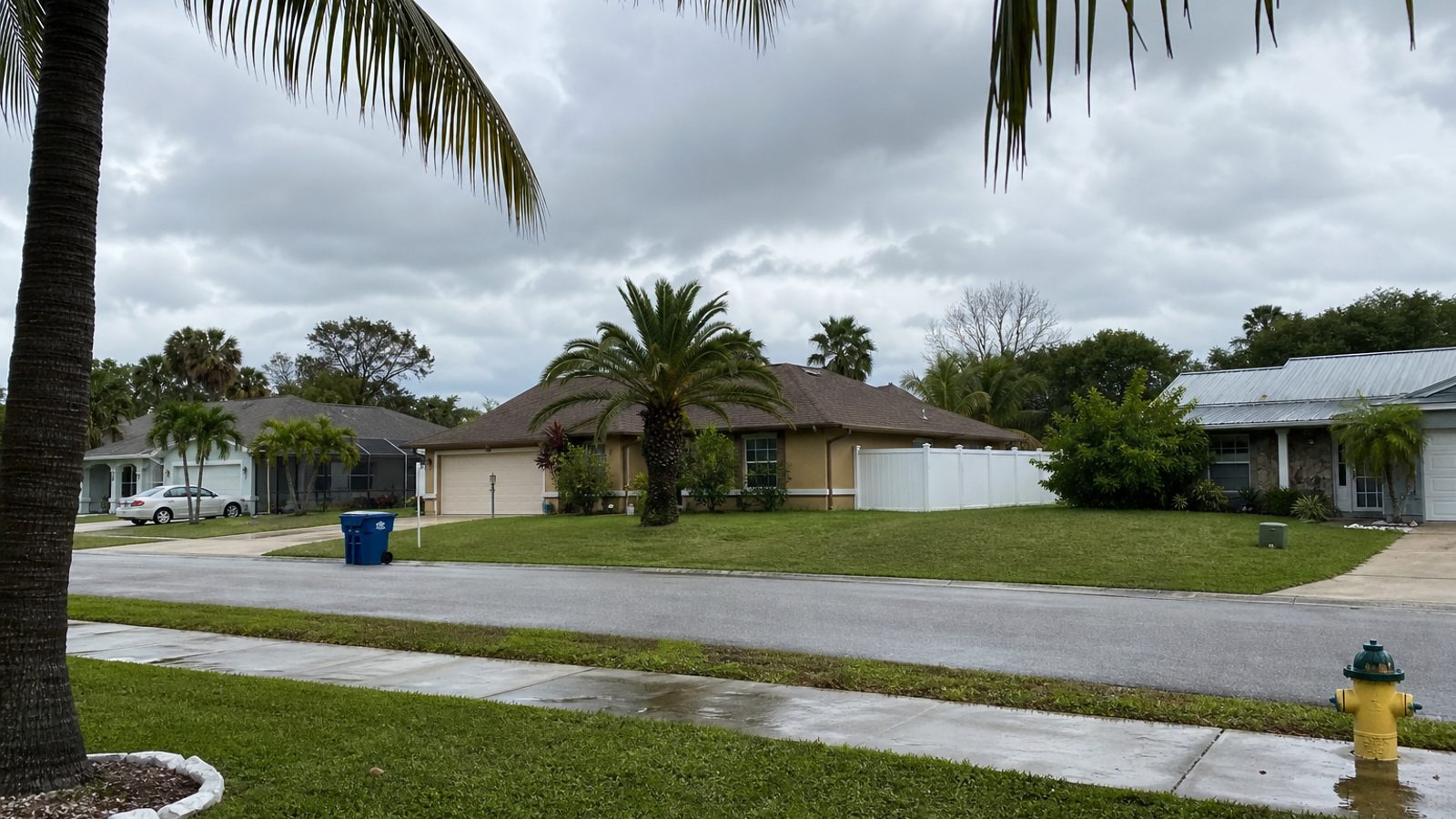
Florida is one of the hardest states in the country for generic homeowner advice. The same warm climate that makes outdoor living possible all year also keeps pest pressure active, stretches pool systems, accelerates algae growth, and turns afternoon storms into a recurring maintenance test. A checklist written for a dry inland climate will miss the details that Florida owners deal with every month.
RoofToSoil's Florida library is built around those details. Humidity affects roof surfaces, vents, wood trim, screen enclosures, patio furniture, and stored materials. Hurricane season changes when homeowners should inspect drainage, trees, screens, gutters, roof stains, and dock hardware. Coastal properties add salt air and corrosion to the list, while inland suburbs deal with irrigation, oak debris, HOA standards, and soggy low spots after daily rain.
This page is the statewide map. It does not pretend that Cape Coral, Orlando, Brevard County, Sarasota, Naples, The Villages, Tampa Bay, and Jacksonville all need the same advice. Instead, it explains the statewide forces that shape maintenance and points readers toward more specific regional and service guides as the library expands.
Florida homeowners often notice symptoms before they know the system involved. A pool may lose water faster than expected. A lanai screen may tear after wind. Mosquitoes may become aggressive two days after a rain. A dryer may take longer to finish. A roof may develop streaks even when shingles are not near the end of life. Each symptom can have several explanations, and the right next question depends on local context.
The purpose of this guide is to help homeowners sort observations before calling anyone. That means watching timing, location, weather, recent work, access conditions, and whether the issue changes after rain, heat, wind, watering, or heavy use. Better notes usually lead to better conversations with qualified local professionals.
Florida's maintenance calendar is unusually compressed. There is no long winter reset. Exterior surfaces, pests, pools, irrigation, and outdoor living areas remain active in months when northern homes are dormant. That makes small maintenance patterns more important because minor neglect can compound quickly in warm, wet conditions.
Humidity is the first statewide factor. It supports algae, mildew, corrosion, swelling, soft materials, and insects. In shaded areas, humidity can hold moisture against surfaces long after the rain stops. Around pools and screened patios, it also affects fasteners, door hardware, frames, and outdoor electrical components.
Hurricane season is the second factor. Even when a storm does not make landfall, outer bands and summer squalls can stress screens, roofs, drainage paths, dock lines, fences, trees, and exterior attachments. The practical work is not panic preparation; it is steady seasonal inspection before conditions expose a weak point.
Water is the third factor. Florida properties can have sandy soil, clay pockets, high water tables, canals, retention ponds, gutters that discharge poorly, irrigation overspray, and pool systems operating year-round. A wet spot may be drainage, irrigation, pool leakage, grading, or normal storm behavior depending on where and when it appears.
Pest pressure is the fourth factor. Mosquitoes, rodents, raccoons, squirrels, no-see-ums, termites, and ants all benefit from conditions that are common in Florida neighborhoods. The right prevention conversation often begins with access, water, vegetation, openings, and timing rather than a simple product choice.
Pools and outdoor living are the fifth factor. More homes rely on pools, cages, lanais, paver decks, irrigation, landscape lighting, and outdoor kitchens than in many states. These systems create comfort but also add maintenance surfaces that respond to sun, water, chlorine, salt, screens, and wind.
Coastal exposure is the sixth factor. Salt air can accelerate wear on boat lifts, docks, fasteners, hinges, frames, gates, electrical boxes, and outdoor equipment. The issue may not be dramatic at first. Corrosion often begins as small resistance, discoloration, rough movement, or hardware that stops adjusting cleanly.
HOA expectations are the seventh factor. Many Florida homeowners must think about exterior cleanliness, screen condition, irrigation appearance, roof stains, paver weeds, and landscape maintenance through the lens of community standards. That does not change the physical maintenance need, but it can change timing and documentation.
Use the regional cards below to move from statewide patterns to local conditions. Brevard County emphasizes coastal air, canal lots, Space Coast wind, and screened lanai maintenance. Orlando emphasizes suburban HOAs, oak debris, irrigation, afternoon storms, and Central Florida humidity. Cape Coral emphasizes canals, boat lifts, salt exposure, marine hardware, and storm surge considerations.
Year-round humidity accelerates corrosion on metal hardware, encourages mold on exterior surfaces, and keeps pest pressure active even in winter. Florida's humidity isn't seasonal — it's structural.
June through November. Storm prep, drainage capacity, screen enclosures, roof condition, and outdoor system readiness all need to be evaluated before the season starts — not during it.
Florida's standing water, canal lots, afternoon storms, and mild winters mean mosquito pressure is active for more of the year than most homeowners expect. The source matters more than the spray.
More Florida homes have pools than any other state. Pool chemistry, water loss, screen enclosure wear, and equipment maintenance are ongoing — not seasonal — maintenance concerns.
Coastal and canal-adjacent properties experience measurably faster corrosion on screen frames, HVAC equipment, dock hardware, boat lift components, and any exposed metal.
Florida's flat terrain and sandy soil mean standing water after rain is chronic, not occasional. Low spots, drainage swales, downspout exits, and paver joints all need regular attention.
Florida's HOA density means exterior maintenance decisions — screen repairs, roof cleaning, paver work, landscaping — often require approval before work begins. Check before scheduling.
No true winter means pest pressure — mosquitoes, wildlife, termites, rodents, and no-see-ums — is active year-round. Seasonal slowdowns that homeowners in other states rely on don't apply here.
Track water loss against rain, temperature, splashing, and pump run time before assuming a structural leak.
Read pool leak guidance →Look for small water pockets, bromeliads, drainage dips, gutters, and shaded vegetation patterns.
Read mosquito guidance →Storm direction, frame condition, spline age, panel size, and access can all change the repair conversation.
Read screen guidance →Noises, droppings, entry points, and timing matter more than guessing the animal from sound alone.
Read wildlife guidance →Space Coast conditions: coastal air, canals, mosquitoes, screened lanais, storm exposure, and sandy soil.
Open Brevard guide →Central Florida suburbs: HOA pool enclosures, oak debris, afternoon storms, sandy soil, and irrigation.
Open Orlando guide →Southwest Florida canals: salt exposure, boat lifts, marine hardware, humidity, and storm surge planning.
Open Cape Coral guide →When a Florida homeowner notices a problem, the best first question is often not “who fixes this?” but “what conditions changed before this appeared?” A wet week, new irrigation schedule, heavy pool use, roof cleaning, tree trimming, screen repair, high wind, or construction nearby can all change the likely explanation.
Photographs help, but sequence helps more. Take one close photo, one wider context photo, and one photo that shows access. Then write a short timeline: when the symptom started, whether it changes after rain or heat, whether it appears in one place or several, and whether any recent work happened nearby.
That preparation is not about doing the professional’s job. It is about avoiding the least useful conversation: a vague symptom with no context. Florida properties have too many overlapping water, pest, and exterior systems for guesses to be reliable.
For statewide planning, homeowners should keep seasonal inspection notes for roof stains, gutters, drainage exits, screen panels, pavers, pool water levels, irrigation zones, dryer vent airflow, attic openings, dock hardware, and shaded vegetation. Small recurring observations are easier to handle than emergency discoveries after a storm or during peak season.
Before taking action, write down the symptom in one sentence, then add the condition around it. Note the weather, water exposure, shade, recent maintenance, age of nearby materials, and whether the symptom is new, recurring, or spreading. This simple record is often more useful than a long description written later from memory.
Next, decide whether the issue is cosmetic, preventive, functional, or safety-related. Cosmetic issues still matter when they point to moisture or material wear, but they usually allow more time for observation. Functional or safety-related symptoms deserve faster professional attention and should not be handled through a generic internet checklist alone.
Finally, avoid false certainty. A guide can help you understand the categories and ask better questions, but the property itself still decides the answer. Access, construction details, hidden water paths, soil behavior, roof geometry, pest entry points, equipment condition, and local code or HOA rules can all change the recommendation.
Use this page as a planning resource, not a final diagnosis. The most reliable next step is to combine the general pattern explained here with observations from the actual property: timing, access, weather, materials, nearby systems, and whether the symptom is changing. That combination is what turns a broad guide into a useful homeowner conversation.
For search and reader quality, this guide intentionally adds context rather than a shortcut. The safest interpretation is always property-specific.
Florida homeowners should also revisit this page before major weather shifts, seasonal pest changes, or outdoor-system repairs.